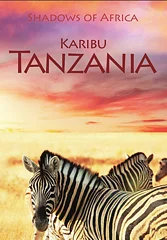
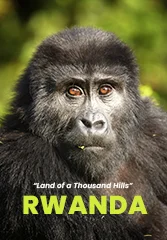
Wild Heart of Africa
Discover untamed landscapes, iconic wildlife, and raw natural beauty


Victoria Falls is one of the most spectacular natural wonders in the world. It is located on the Zambezi River, which forms the border between Zimbabwe and Zambia in southern Africa. The waterfall is famous for its enormous size, powerful flow of water, and beautiful mist that can be seen from many kilometers away. Local people call it Mosi-oa-Tunya, meaning “The Smoke That Thunders,” because of the loud sound and rising spray created by the falling water.
Victoria Falls is about 1.7 kilometers wide and more than 100 meters high, making it one of the largest waterfalls on Earth. During the rainy season, millions of liters of water plunge over the edge every minute. The mist created by the waterfall supports a unique rainforest ecosystem filled with green vegetation, colorful birds, and many animal species. Visitors to the area can often see elephants, hippos, crocodiles, and antelope in nearby national parks.
The falls were introduced to the Western world in 1855 by the Scottish explorer David Livingstone, who named them after Queen Victoria. Today, Victoria Falls is recognized as a UNESCO World Heritage Site because of its outstanding natural beauty and environmental importance. It is also one of Africa’s most popular tourist destinations, attracting visitors from around the globe.
Tourists visit Victoria Falls for adventure and sightseeing activities such as white-water rafting, bungee jumping, helicopter rides, and guided walking tours. The waterfall also plays an important role in the economies of Zimbabwe and Zambia by creating jobs and supporting tourism businesses. However, climate change and changing rainfall patterns have raised concerns about protecting this natural wonder for future generations.
Victoria Falls remains a symbol of the beauty and power of nature. Its breathtaking scenery, rich wildlife, and cultural significance make it one of the most remarkable places in Africa and the world.