Souvenirs: of course, we all want a reminder of our adventurous travels, something physical to attach our cherished memories to, something to show people back home to start conversations. But, it’s important to keep in mind that there is a dark side to
Forbidden Souvenirs East Africa, and it’s just as important to know how to steer clear from it.
In East Africa, there are strict regulations on what souvenirs tourists can take home. These regulations are in place to protect endangered species and to combat poaching and the illegal wildlife trade.
Illegal Souvenirs: What You Can NOT Take Home
Animal “trophies” are the most notable illegal souvenirs.
Taking part of an animal home from your travels is strictly forbidden, and you will be stopped upon leaving the country if you are found carrying any of these items.
This includes:
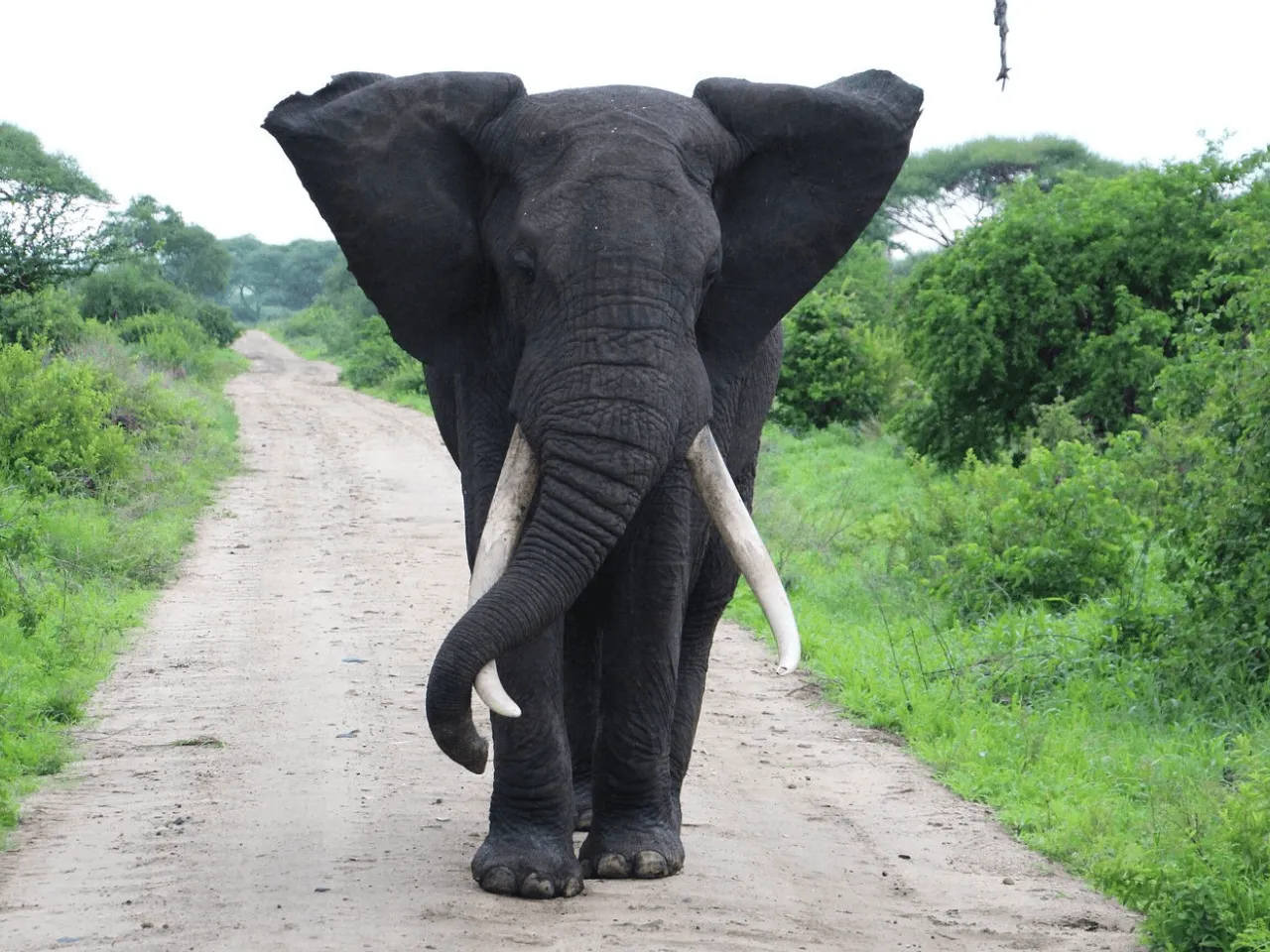
- Ivory: Derived from elephant tusks, ivory is highly sought after but its trade has led to a dramatic decline in elephant populations.
- Rhinoceros Horn: Valued in some cultures for its supposed medicinal properties, the trade in rhino horn has pushed these animals to the brink of extinction.
- Hippopotamus Teeth: Less commonly known, hippo teeth are also traded illegally and contribute to the species’ decline.
- Animal Tusks and Horns: Beyond elephants and rhinos, the tusks and horns of various other animals are also prohibited.
- Animal Skins: The skins of any game animal, often used for rugs, clothing, or decorative items, are also banned.
“Manufactured trophies” are also prohibited. This includes any items made from the above list of illegal materials. This can include jewelry, carvings, and other decorative items.
Anything that is made from or using an animal’s tooth, tusk, horn, bone, claw, hoof, hair, feather, egg, or other durable part of any animal is strictly prohibited.
Visitors in
East Africa are forbidden to purchase and carry any of these items. These measures are part of broader efforts to protect wildlife and ensure the survival of endangered species.
The Illegal Wildlife Trade: Travelers Beware
For travelers, this means
avoiding markets or vendors that offer such items. Buying a piece, even if it looks intriguing or is marketed as a rare find, is both illegal and unethical. Supporting the trade in
Forbidden Souvenirs East Africa fuels poaching and the decline of wildlife populations.
Travelers should support conservation efforts by purchasing local crafts and sustainably made products instead of buying illegal wildlife products. Items like handmade jewelry, textiles, and artwork from local artisans are excellent alternatives. These not only make unique souvenirs but also contribute to the local economy and promote ethical tourism.
Respect these regulations, and help protect
East Africa’s rich biodiversity and ensure that future generations can also experience the region’s unique wildlife. Remember, the most valuable
Forbidden Souvenirs East Africa are memories and experiences in
Africa destinations, not things that harm the natural world.