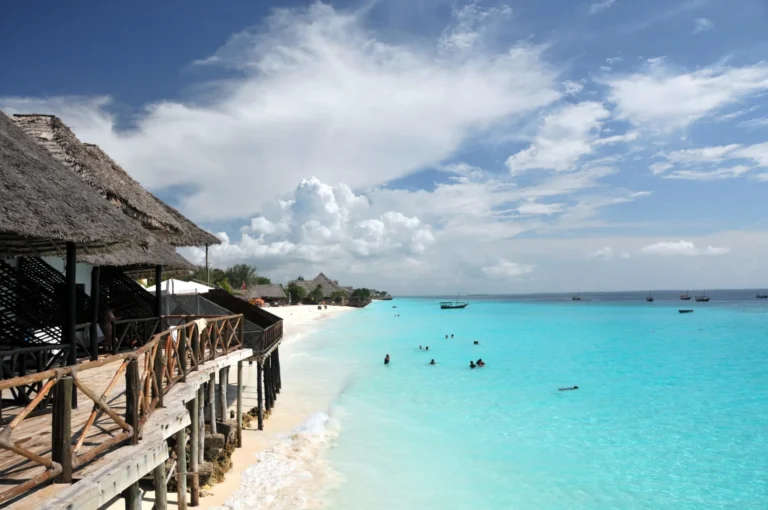


Zanzibar is a semi-autonomous archipelago off the coast of Tanzania in East Africa, famous for its white-sand beaches, turquoise waters, and rich cultural heritage. It consists mainly of two large islands, Unguja (commonly referred to as Zanzibar) and Pemba, along with several smaller islets.
Zanzibar has a deep history shaped by African, Arab, Persian, and European influences, especially visible in its architecture, cuisine, and language (Swahili is widely spoken). Its historic capital, Stone Town, is a UNESCO World Heritage Site known for its narrow streets, carved wooden doors, and vibrant markets.
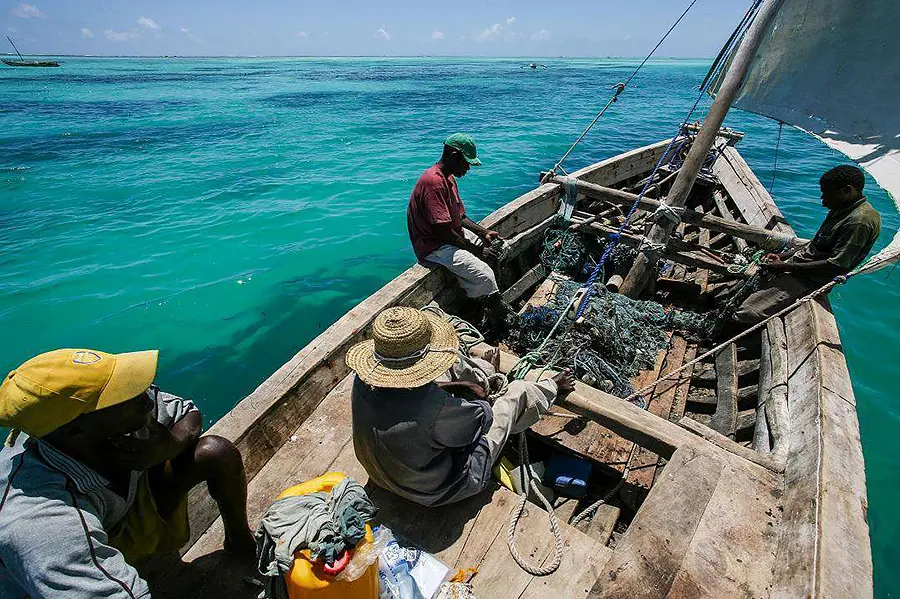
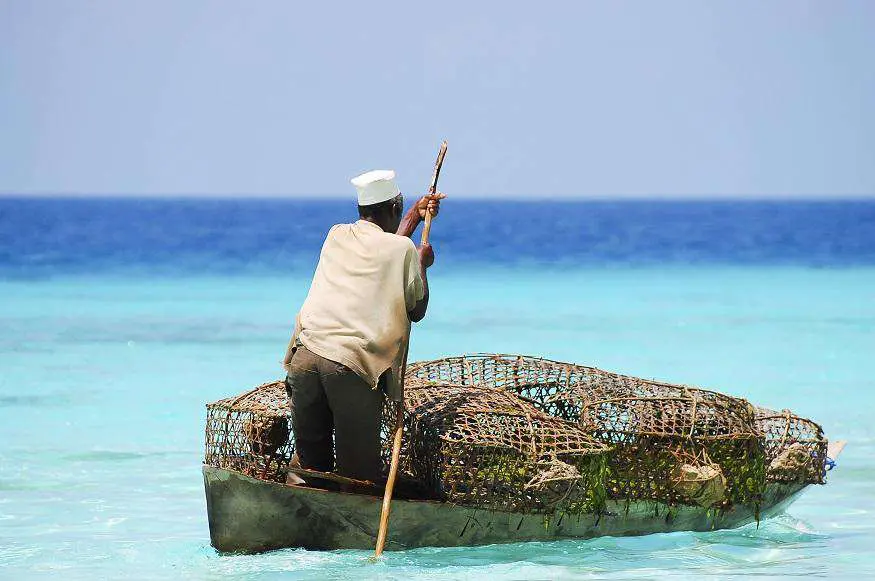
Today, Zanzibar is one of Africa’s top tourist destinations, offering world-class beaches, snorkeling, diving, spice tours, and cultural experiences. Tourism, fishing, and spice production are key parts of the local economy, and the island continues to grow as a major travel hub in the Indian Ocean region.
The archipelago of Zanzibar is a semi-autonomous territory in union with Tanzania. Zanzibar has its own parliament and president but shares the same currency as mainland Tanzania as well as the same official languages of Kiswahili and English. Zanzibar covers an area of 2,461 square kilometres with a population of 1.3 million; the majority religion is Islam.
Zanzibar was settled by Bantu-speaking Africans, Persians, and lastly Arabs and was previously a former centre for spice and slave trades; the later which was abolished in 1873. After the successful, but bloody, coup to overthrow the Arab minority in 1964, a republic was then established between the presidents of Zanzibar and Tanganyika. From this history there remains many Africa, Arab, European and Indian influences.